
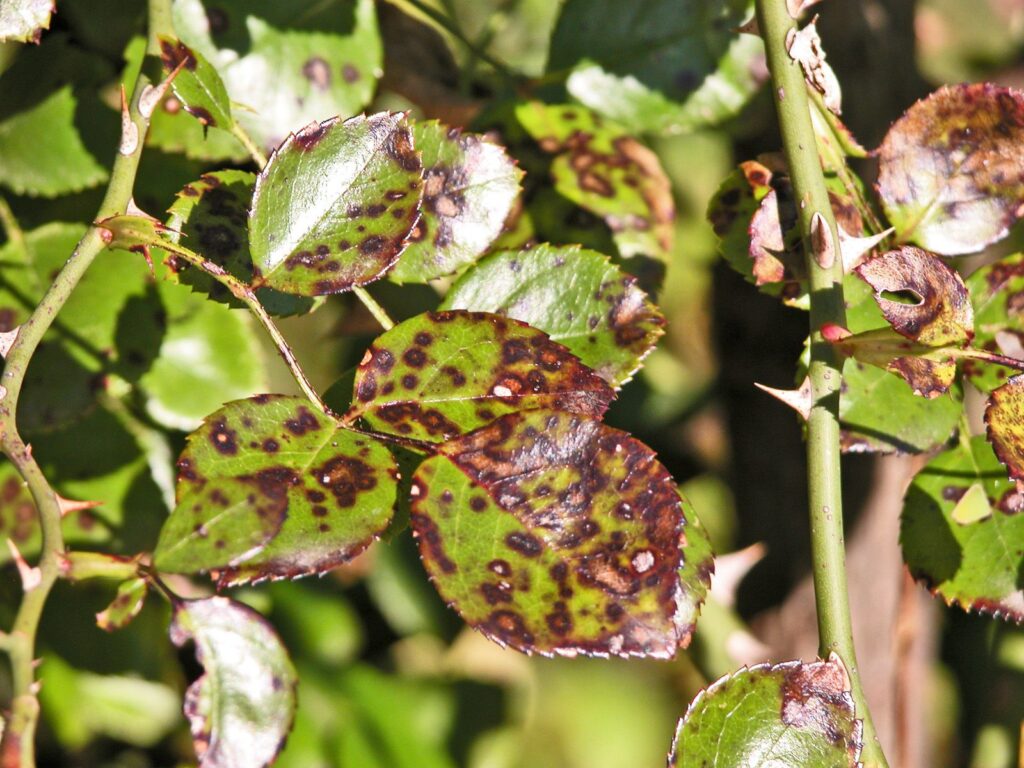
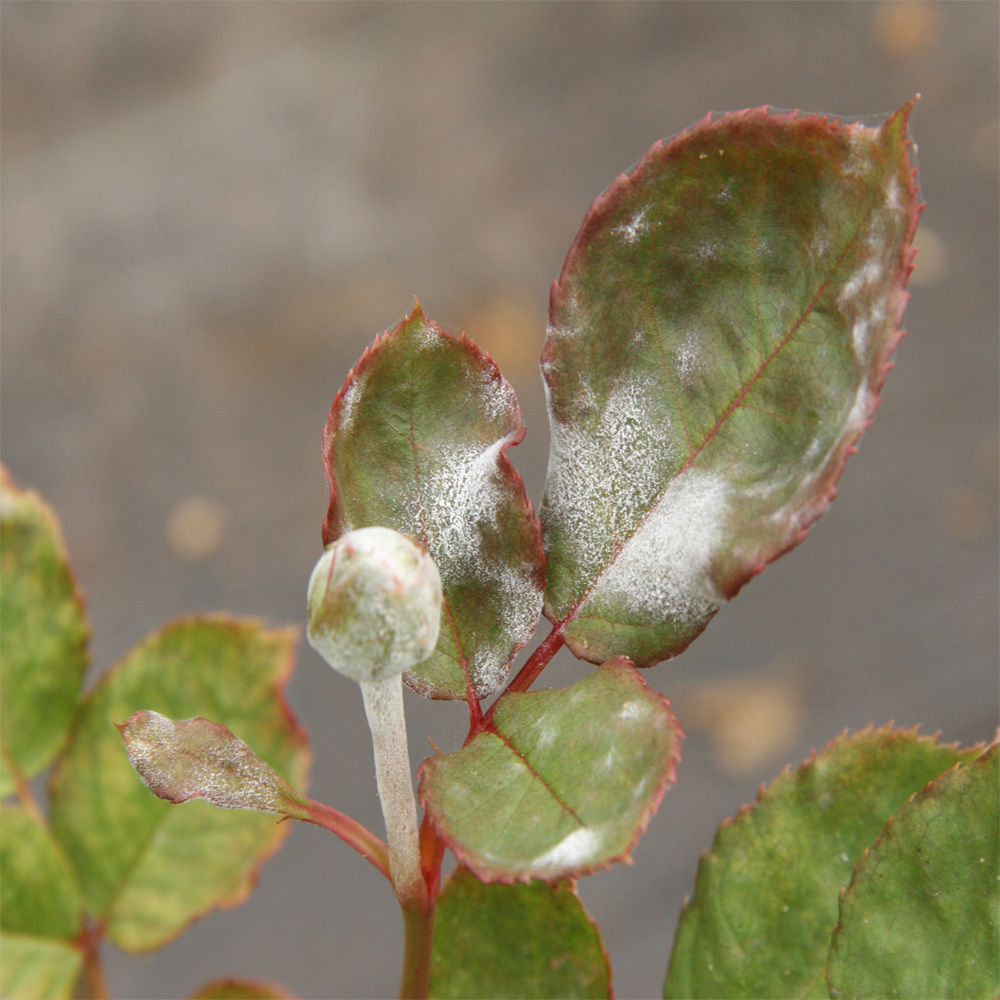
Roses are a beautiful addition to any garden, but sometimes their leaves can develop black spots or a white, powdery coating. These are common signs of fungal diseases that can affect the health and appearance of your roses.
The good news? With a little cleanup and the right care, you can help your roses stay healthy and encourage new growth!
What Causes Black Spots or White Powder on Rose Leaves?
Black spots may be a sign of black spot disease, while a white, powdery coating may indicate powdery mildew. Both are fungal problems that can spread if left untreated.
Here’s how to help your roses recover.
1. Remove Infected Leaves and Debris
Start by removing heavily infected leaves and any dead or diseased stems. Be sure to pick up fallen leaves around the base of the plant, since fungal spores can remain in plant debris and cause reinfection.
If the mulch around your roses contains infected leaves or other plant debris, clean up the area and replace the mulch if needed.
A helpful tip: Keep the healthy green leaves whenever possible! Healthy foliage helps roses produce the energy they need to recover and grow.
2. Treat with the Right Fungicide
A fungicide can help manage fungal diseases and protect healthy foliage when used correctly. We recommend Captain Jack’s Copper Fungicide when appropriate for the specific disease.
Before applying any treatment:
-
Check the product label to make sure it’s approved for roses and the disease you’re treating.
-
Follow all label directions for application rates and timing.
-
Avoid spraying during the hottest part of the day, and follow the label’s temperature and weather guidelines.
Keep in mind that fungicides won’t repair leaves that are already damaged. Removing infected material and providing proper plant care are important parts of the recovery process.
3. Give Your Roses the Care They Need
Healthy growing conditions can go a long way toward preventing future problems.
-
Water at the base: Avoid wetting the leaves when possible, and water in the morning so foliage has time to dry.
-
Provide good airflow: Give your roses enough space to allow air to circulate around the plant.
-
Give them plenty of sunlight: Most roses grow best with at least six hours of direct sunlight daily, though requirements can vary by variety and local conditions.
-
Feed as needed: Use a fertilizer formulated for roses to support healthy growth. Follow the label directions and avoid overfertilizing stressed plants.
Need Help with Your Roses?
If your roses aren’t looking their best, stop by Yard Stop Garden Center! Our team can help you explore treatment options and find the products you need to care for your plants.
With regular care, proper cleanup, and the right treatment, you can help your roses look their best and enjoy more beautiful blooms.
Visit Yard Stop Garden Center for your rose care and gardening needs!